Key Takeaways for Homeowners
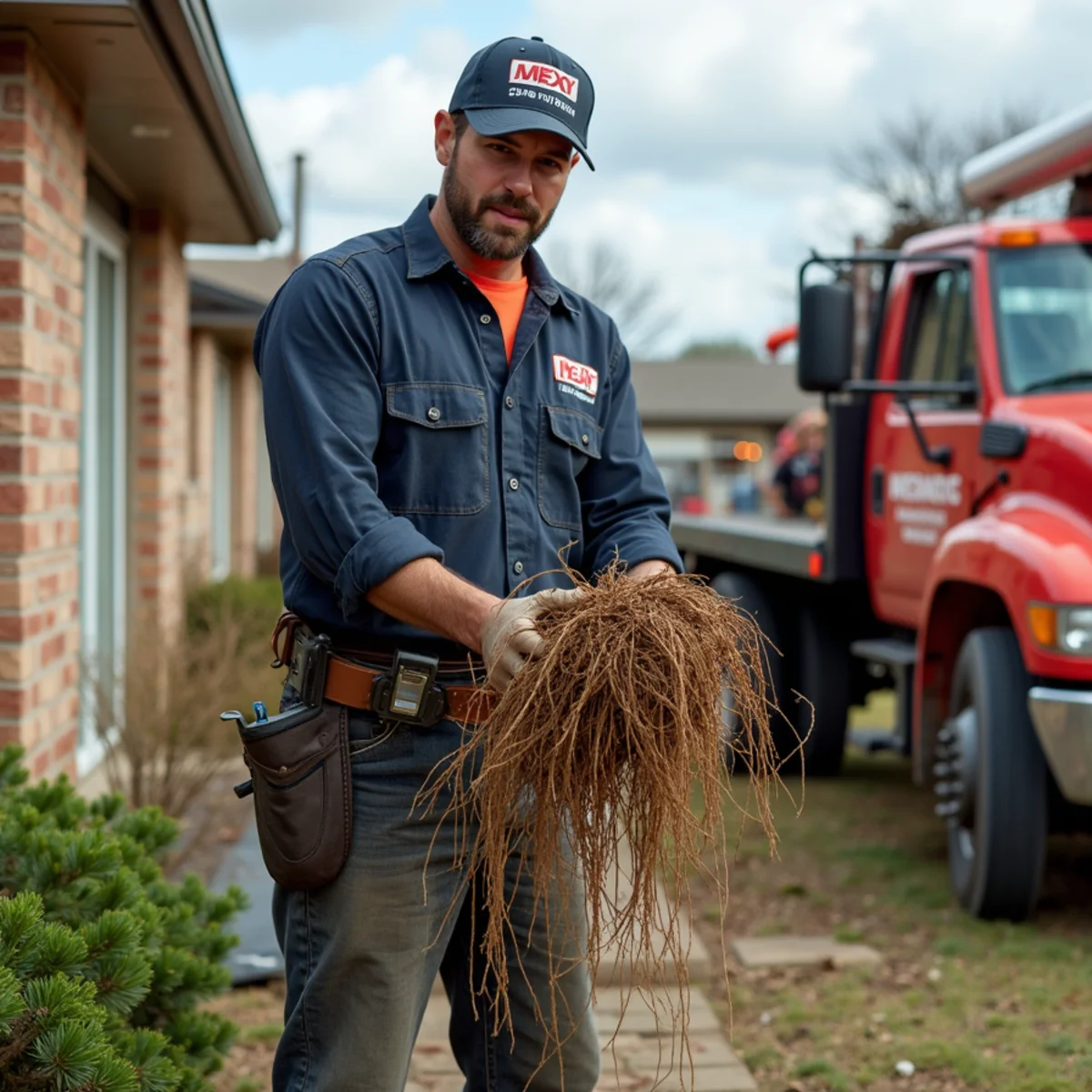
- •Roots enter through microscopic joint fissures attracted by water vapor and nutrients.
- •Mechanical cutting clears flow temporarily but stimulates faster root regrowth.
- •Hydro jetting paired with foaming root inhibitors slows root re-infestation.
- •Replacing older pipe with glued Schedule 40 PVC creates a permanent root-proof barrier.
Direct Answer: How to Clear and Prevent Tree Roots in Sewer Pipes
To effectively clear tree roots from a residential sewer line in Duncanville or Lancaster, mechanical augering or 4,000 PSI high-pressure hydro jetting with rotating root-cutting blades is required to slice root masses flush against the interior pipe wall. Following physical clearance, applying a foaming herbicide (such as dichlobenil) coats the top and sides of the pipe to inhibit root regrowth for 9 to 12 months. For a permanent solution, the cracked clay or rotting cast iron pipe joints must be structurally rehabilitated using seamless trenchless epoxy CIPP pipe lining or replaced with solvent-welded Schedule 40 PVC.
If your toilets gurgle or bathtubs drain slowly when laundry runs, call Ten Mile Creek Plumbers at (858) 363-8298 for a high-definition fiber-optic sewer camera inspection.
The Biology of Tree Root Intrusion in North Texas Clay Soil
Mature live oaks, pecan trees, and cedar elms across southern Dallas County possess massive root systems that spread horizontally two to three times the radius of the tree's above-ground canopy. During arid North Texas summers when clay soil cracks, tree roots hunt aggressively for moisture.
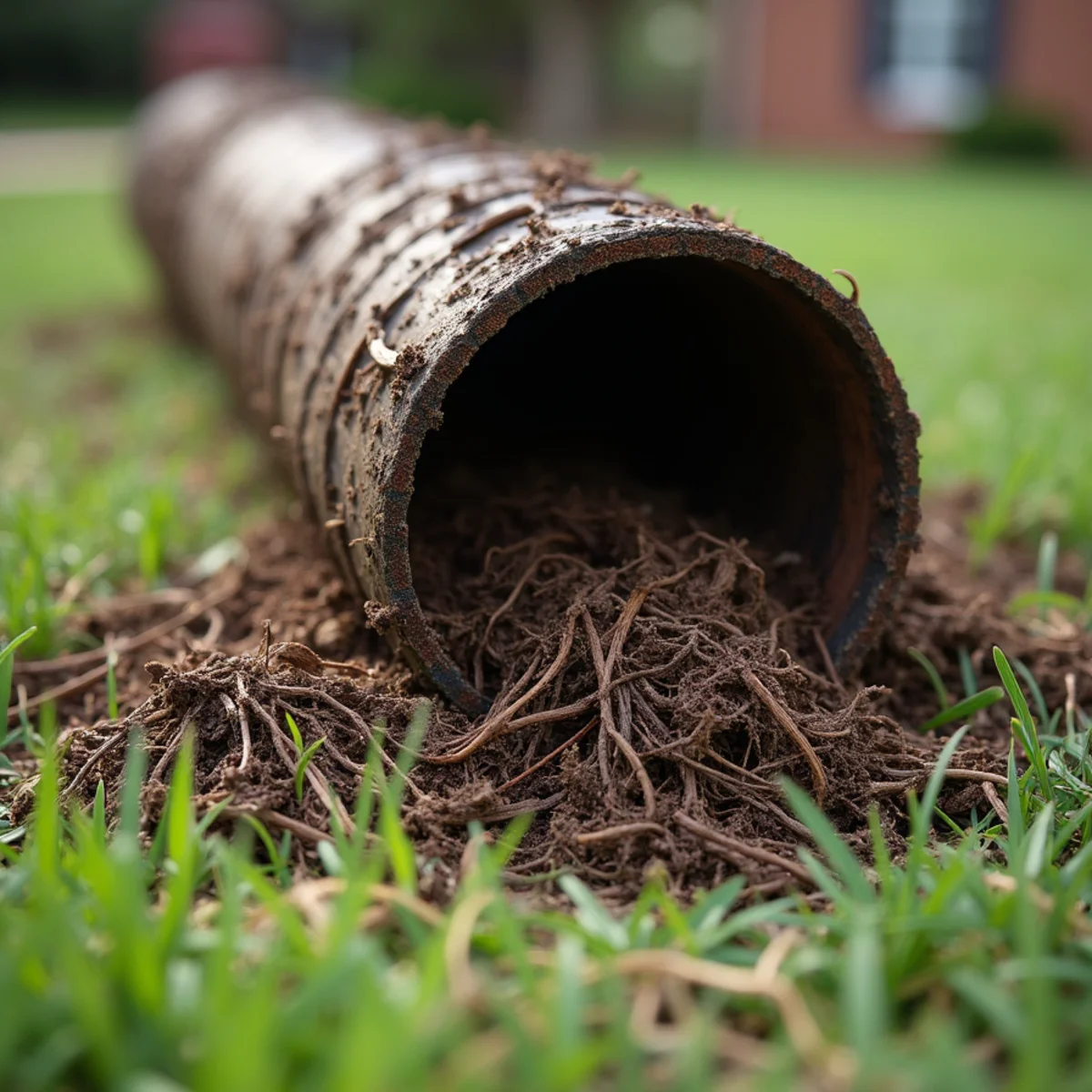
Buried sewer lines emit warm water vapor through microscopic fissures in brittle 1960s clay tile or corroded cast iron joints. Microscopic, hair-like root tips follow this moisture gradient into the pipe. Once inside, roots are bathed in a continuous supply of warm water, oxygen, and nitrogen-rich nutrients, multiplying rapidly into dense, fibrous root balls that trap toilet tissue, cooking grease, and solids.
Temporary Mechanical Clearing vs. 4,000 PSI Hydro Jetting
Mechanical snaking utilizes a motorized steel cable with a C-cutter or spade tip. While snaking punches an immediate pilot hole through the center of a root obstruction to restore flow, it behaves like pruning a tree branch: cutting only the center core leaves the thick root perimeter attached to the pipe walls, stimulating accelerated root regrowth within weeks.
Commercial hydro jetting delivers high-velocity water streams at 4,000 PSI through rotating steel chain flails or hardened root-cutting nozzles. Hydro jetting shears roots flush against the host pipe circumference and washes the root fragments downstream into the municipal main, restoring 100% full pipe hydraulic capacity.
Need Hands-On Emergency Assistance?
Speak directly with our local Duncanville dispatch desk at (858) 363-8298.
Chemical Root Inhibitors: Foaming Vapor Treatments
Liquid chemical root killers poured down a toilet sink directly to the bottom third of the pipe, flowing harmlessly beneath suspended root masses hanging from the pipe crown. Effective chemical treatments utilize foaming agents containing dichlobenil.
When introduced through an exterior cleanout, the foam expands 360 degrees to fill the entire pipe cross-section, coating roof-entry roots and penetrating outside the pipe joint into surrounding soil. This chemical barrier dehydrates root cells without killing the tree above ground.
Permanent Structural Rehabilitation: Trenchless CIPP & PVC Replacement
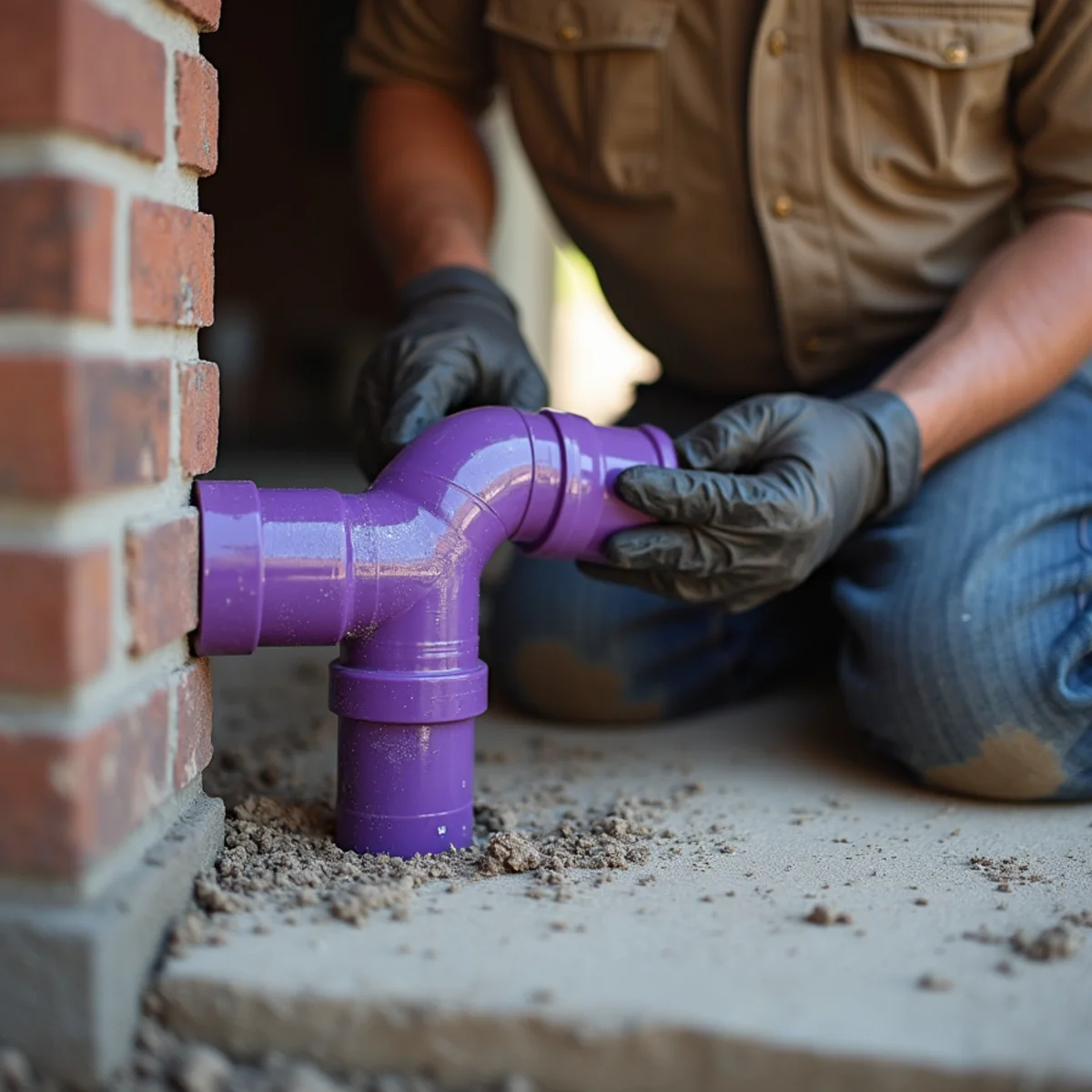
As long as a pipe possesses cracked joints, roots will inevitably return. The only permanent engineering remedies are structural: either inserting an epoxy-saturated seamless liner (Cured-In-Place Pipe / CIPP) that cures into a smooth, joint-free 'pipe within a pipe', or excavating the old lateral and installing solvent-welded Schedule 40 PVC.
Chemically fused PVC joints create a hermetic seal impervious to vapor escape and root penetration, protecting your plumbing infrastructure for over 75 years.
Sewer Line Root Eradication: Method Comparison, Longevity & Costs
| Eradication Methodology | Mechanism of Action | Pipe Wall Root Clearance | Expected Regrowth Timeline | Long-Term Value Assessment |
|---|---|---|---|---|
| Mechanical Cable Snaking | Rotating steel blade punches pilot hole | 15% to 30% (Leaves outer root collar) | 4 to 8 weeks before repeat backup | Low (Temporary emergency triage only) |
| Commercial 4,000 PSI Hydro Jetting | High-velocity water jets & spinning cutters | 95% to 100% (Scoured flush to wall) | 9 to 18 months before regrowth | High (Restores full hydraulic capacity) |
| Foaming Herbicide Vapor Treatment | Expanding chemical foam kills root tips | Chemical dehydration of root foliage | 12 months when applied post-jetting | Moderate/High (Extends jetting longevity) |
| Seamless Epoxy Pipe Relining (CIPP) | Inversion of resin liner inside host pipe | Permanent (Encapsulates all pipe joints) | Zero regrowth (Jointless continuous tube) | Very High (Trenchless, 50-year warranty) |
| Schedule 40 PVC Lateral Replacement | Complete replacement with solvent-welded pipe | Permanent (No vulnerable hub seams) | Zero regrowth (Root-proof material) | Maximum (Total property asset upgrade) |
Why Liquid Caustic Drain Cleaners Destroy Your Pipes Without Killing Roots
When homeowners experience a slow sewer line due to tree roots, a common reaction is dumping multiple gallons of liquid sulfuric acid or sodium hydroxide (caustic lye) drain cleaner down the toilet. This is one of the most destructive mistakes you can make in a Dallas County home. Liquid chemical cleaners sink to the bottom invert of the pipe, flowing beneath the root mass that typically enters from the top or sides of the pipe hub. The chemicals eat away at the aging cast iron metal, accelerating bottom channeling, while failing to reach the roots suspended in the upper crown. Furthermore, when our emergency technicians subsequently open the cleanout to clear the line, they face severe chemical burn hazards from pressurized, acid-laced wastewater.
Frequently Asked Questions
Practical answers from our local plumbing repair team.
Copper sulfate can kill fine root ends that come into direct contact with it, but because it is a dense crystal that travels along the pipe bottom, it often misses root masses hanging from the top of the pipe. Foaming chemical root inhibitors containing dichlobenil are vastly more effective because the foam fills the entire 360-degree pipe volume.
Related Services & Local Coverage
Explore our dedicated service options and neighboring dispatch areas:
Don't Let Plumbing Problems Escalate
Every plumber we send is licensed and insured in Texas. Upfront written price given before work starts.
Not Urgent? Send a Service Request
If your plumbing project can wait for scheduled daytime evaluation, submit your details below. We will coordinate with an independent licensed Texas plumber in Duncanville to confirm your appointment.
Do not wait for a form response if water is spreading or sewage is surfacing. For the fastest help, call immediately:
(858) 363-8298 (Answering 24/7)