
Key Takeaways for Homeowners
- •Texas slab homes lack basements; look in garages, water heater closets, or exterior walls.
- •The city water meter box in your front lawn is the universal fail-safe shutoff point.
- •You will need a five-sided pentagon key or screwdriver to open the cast iron meter lid.
- •Turn the brass curb-stop valve 90 degrees using a water meter key until the padlock holes align.
Direct Answer: The Two Places Your Texas Shut-Off Valve Hides
On a Texas slab-on-grade home in Duncanville, Cedar Hill, or Lancaster, your main water shut-off valve is located in one of two places: either an interior/exterior ball valve where the water supply enters the house (commonly inside the garage near the front corner, adjacent to the water heater closet, or beside an outside hose bib), or outside at the city water meter box buried in your front yard near the street or sidewalk. If your home lacks a functional house-side valve, the street meter box is your universal emergency shutoff.
Finding this valve in the dark while water pours through your ceiling is stressful. Every North Texas homeowner should locate, test, and label their main shutoff valve today.
Location 1: The House-Side Shut-Off Valve
Homes built in Dallas County after 1990 are generally equipped with a dedicated whole-house shut-off valve located on the structure itself. Walk around your home and inspect these typical mounting areas:
1. Inside the Attached Garage: Look low on the wall closest to the front street, often positioned beneath an irrigation controller or behind storage shelving.
2. The Water Heater Enclosure: In homes where the water heater is located in a ground-floor closet, look for a secondary valve piped below the heater inlet.
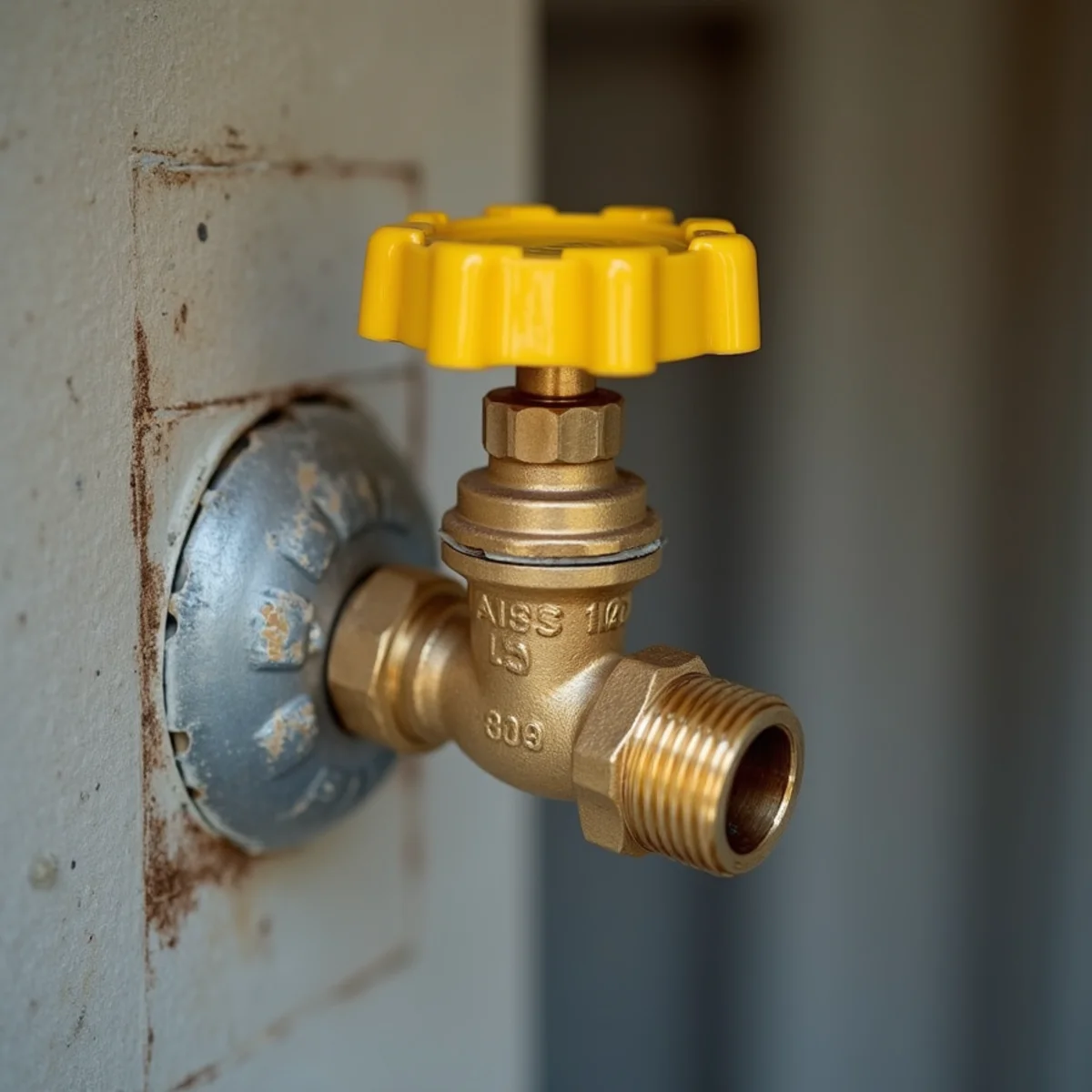
3. Exterior Foundation Riser: In some 1970s and 1980s ranch homes, the copper main emerges from the ground along the exterior brick wall near an outdoor spigot, fitted with a brass wheel or lever handle.
If the valve has a lever handle (quarter-turn ball valve), turn it perpendicular to the pipe to shut off water. If it has a round wheel handle (multi-turn gate valve), turn it clockwise until it stops. Warning: old gate valves frequently seize or leak around the stem when forced; do not overtighten.
Location 2: The Street Curb Water Meter Box
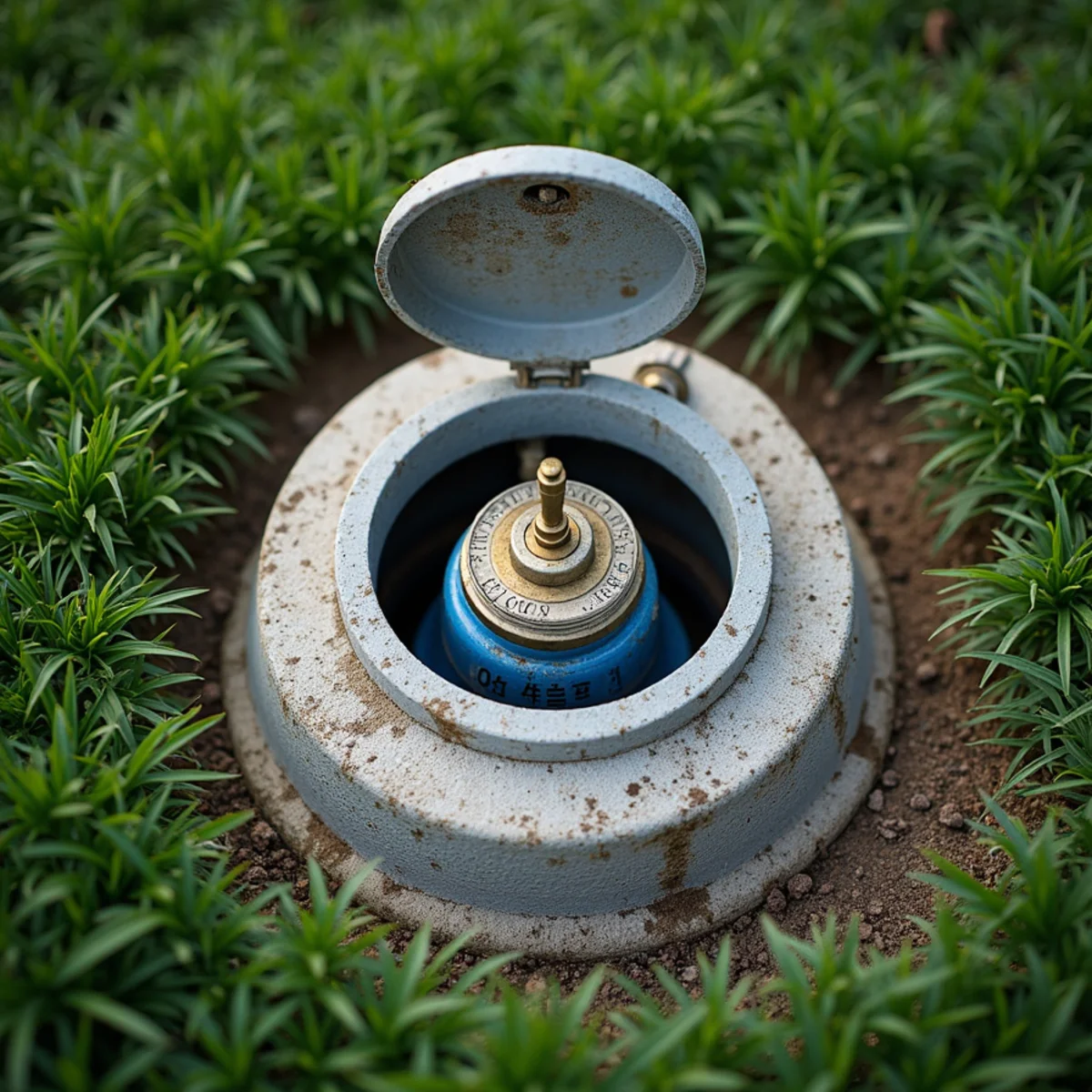
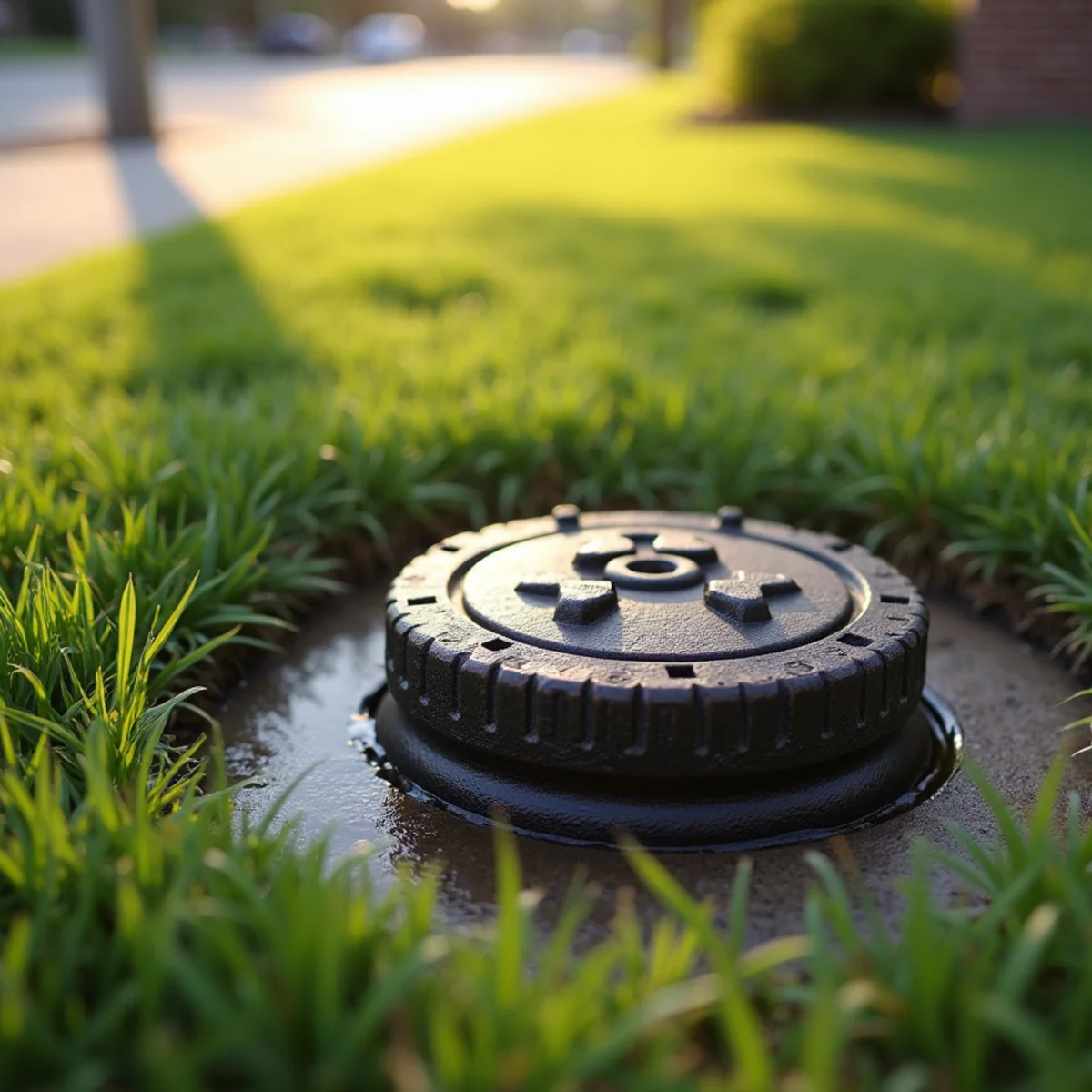
If your home lacks a house-side valve or the handle is corroded shut, the city water meter box is your definitive emergency control. In Duncanville and Cedar Hill, municipal water meters are housed in rectangular concrete or cast-iron utility boxes installed in the front parkway or grass lawn within a few feet of the curb or sidewalk.
These boxes are frequently hidden beneath overgrown Saint Augustine turf, mulch, or dirt. Use a sturdy screwdriver or pry bar to lift the heavy lid. Inside, you will see your brass water meter dial and two pipe connections. The valve on the street side of the meter is the city curb stop.
Need Hands-On Emergency Assistance?
Speak directly with our local Duncanville dispatch desk at (858) 363-8298.
Tools Needed to Operate a Street Meter Valve
Operating a curb-stop valve requires minimal equipment, but having the right tool on hand saves vital minutes:
1. Water Meter 'T-Key': A 3-to-5-foot steel T-handle wrench with a slotted end that slips directly over the brass valve lug. Available at any local hardware store or Home Depot for under $20.
2. Heavy Adjustable Crescent Wrench: In an emergency, a 10-to-12-inch crescent wrench combined with a large screwdriver inserted through the wrench hole for leverage can turn the valve.
3. Heavy-Duty Work Gloves & Flashlight: Meter boxes are dark and frequently harbor dirt, spider webs, or mud daubers.
How to Safely Turn the Curb-Stop Valve
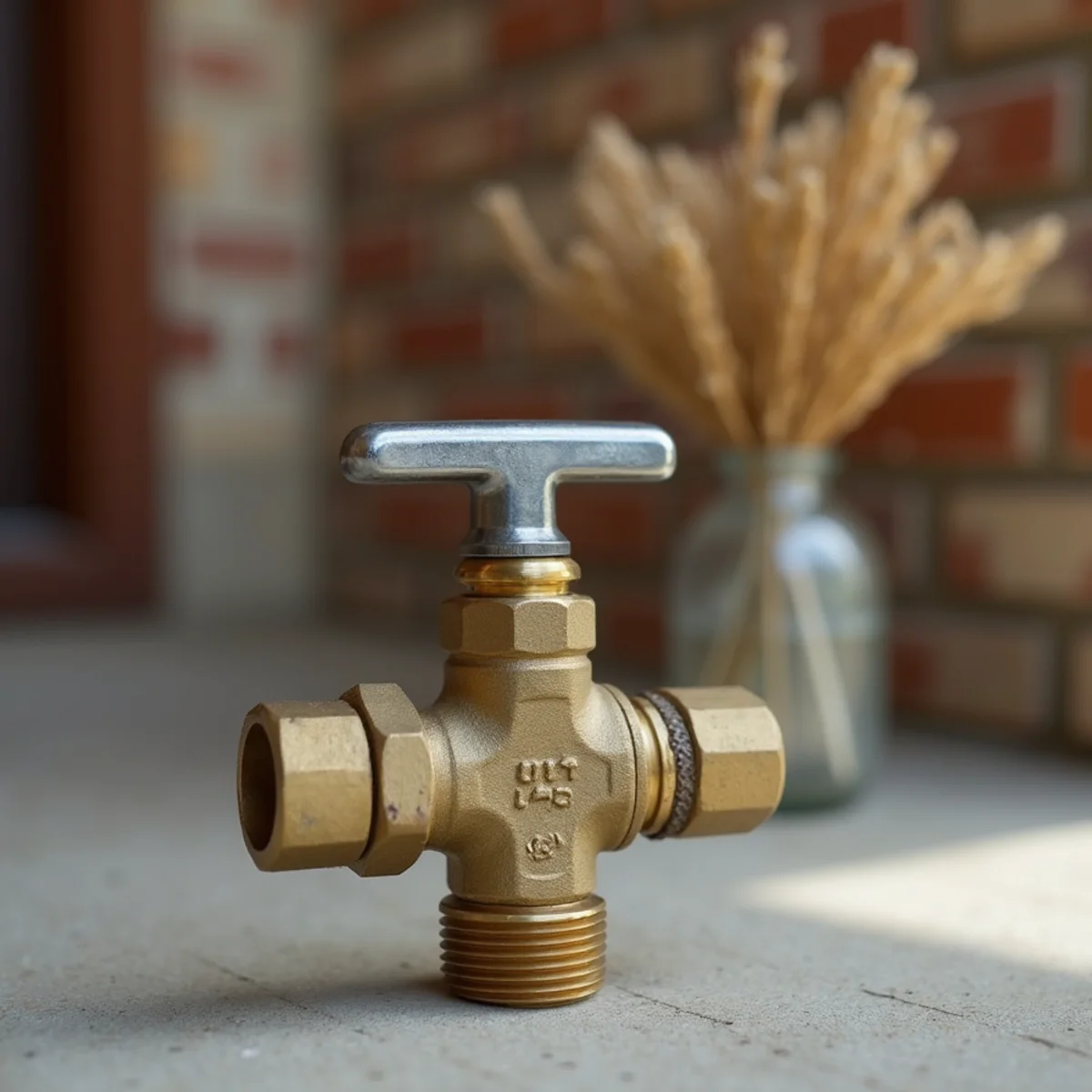
Slide the slotted end of the meter key over the raised brass lug on top of the valve. Slowly rotate the key 90 degrees clockwise (a quarter turn). When the valve is fully closed, the oblong brass lug will be perpendicular to the direction of the water pipe, and the small padlock loop on the valve will align with the hole on the fixed collar.
Once closed, check the digital dial or low-flow indicator triangle on the water meter face. It should be completely stationary. If water continues flowing, call our plumbing repair specialists at (858) 363-8298 for assistance.
Texas Residential Shut-Off Valves: Operational Guide & Failure Risk
| Valve Type | Typical Location | Operation Required | Common Failure Risk | Plumber Recommended Action |
|---|---|---|---|---|
| Quarter-Turn Ball Valve | Garage wall or exterior water riser | Rotate lever 90° perpendicular | Handle seized from mineral crusting | Exercise valve annually; replace with stainless ball valve |
| Multi-Turn Gate Valve | Older homes (pre-1990) exterior wall | Turn round wheel clockwise 3-5 full turns | Internal wedge gate shears off or stem leaks | Retrofit to full-port ball valve immediately |
| Municipal Curb-Stop | In-ground meter box at front street curb | Quarter-turn slotted lug using steel T-key | Lid buried in sod or packed with clay/fire ants | Keep box cleared and store meter key near garage door |
| Fixture Angle Stop | Under sinks and behind toilets | Quarter-turn oval knob clockwise | Plastic stems crack; rubber seals disintegrate | Upgrade to all-metal quarter-turn compression stops |
The Silent Hazard of 1970s–1980s Gate Valves on Dallas County Foundations
Thousands of slab-on-grade ranch homes across Duncanville, Cedar Hill, and Lancaster still rely on original multi-turn brass gate valves installed when the subdivision was built. When hard municipal water (rich in calcium and magnesium) sits in these lines for decades, mineral deposits scale across the internal gate threads. In a panic during a flood, homeowners apply heavy wrench leverage to force the wheel shut. In about 30% of cases, the brass operating stem strips or snaps, leaving the brass gate permanently dropped and jamming water off, or worse, snapping open and spraying. If your home has a wheel-handle shutoff, have a licensed plumber retrofit a lead-free, full-port brass ball valve with an ergonomic lever handle.
Frequently Asked Questions
Practical answers from our local plumbing repair team.
Yes. During an active plumbing emergency to prevent catastrophic structural property damage, Texas homeowners and licensed plumbers are permitted to turn the municipal curb-stop valve. You should avoid tampering with the digital meter transmitter, the meter dials, or any city lock-wings.
Related Services & Local Coverage
Explore our dedicated service options and neighboring dispatch areas:
Don't Let Plumbing Problems Escalate
Every plumber we send is licensed and insured in Texas. Upfront written price given before work starts.
Not Urgent? Send a Service Request
If your plumbing project can wait for scheduled daytime evaluation, submit your details below. We will coordinate with an independent licensed Texas plumber in Duncanville to confirm your appointment.
Do not wait for a form response if water is spreading or sewage is surfacing. For the fastest help, call immediately:
(858) 363-8298 (Answering 24/7)