
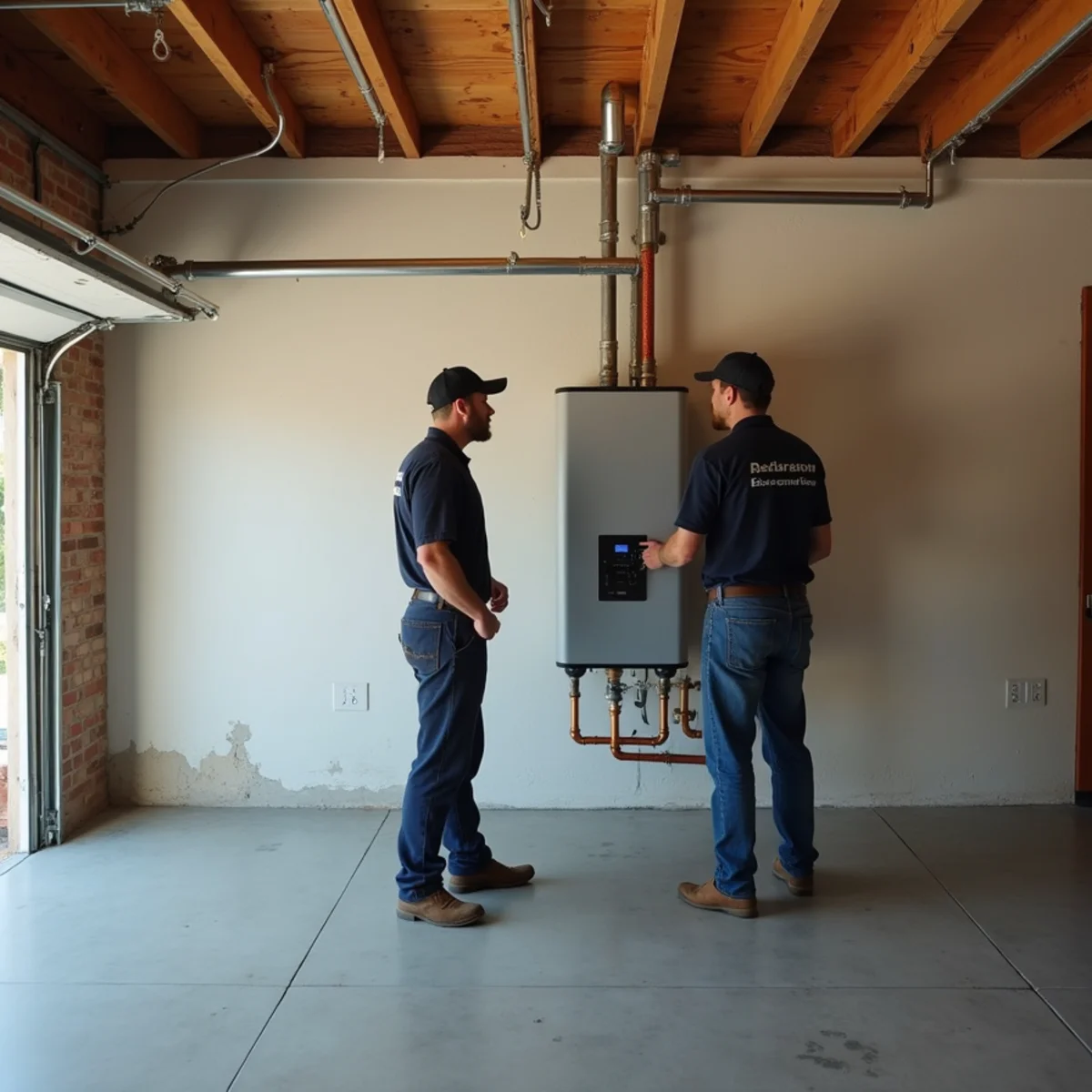
Key Takeaways for Homeowners
- •Tankless water heaters deliver endless hot water and save up to 30% on gas bills.
- •Traditional tank water heaters cost 50% less upfront and handle mineral sediment reliably.
- •Tankless units require annual chemical descaling flushes to maintain heat transfer efficiency.
- •Converting to tankless in Duncanville requires evaluating gas meter capacity and venting.
Direct Comparison: Tankless vs. Tank in Dallas County
For homeowners in Duncanville and Midlothian, traditional tank water heaters provide proven, lower-cost reliability ($1,600–$2,800 installed) with an 8-to-12-year lifespan, while on-demand tankless water heaters deliver endless hot water, free up valuable attic or closet space, and offer a 20-year lifespan at a higher initial installation cost ($3,200–$5,500+). However, because Dallas-supplied municipal water is moderately hard to hard, tankless units mandate annual descaling maintenance to protect sensitive copper heat exchangers from mineral scale failure.
Energy Efficiency and Operating Costs
Traditional tanks consume energy constantly to maintain 40 to 50 gallons of water at 125°F around the clock (standby heat loss). Tankless units fire high-BTU gas burners only when an active faucet is opened, reducing domestic gas consumption by 24% to 34% according to U.S. Department of Energy estimates.
Impact of North Texas Hard Water on Heat Exchangers
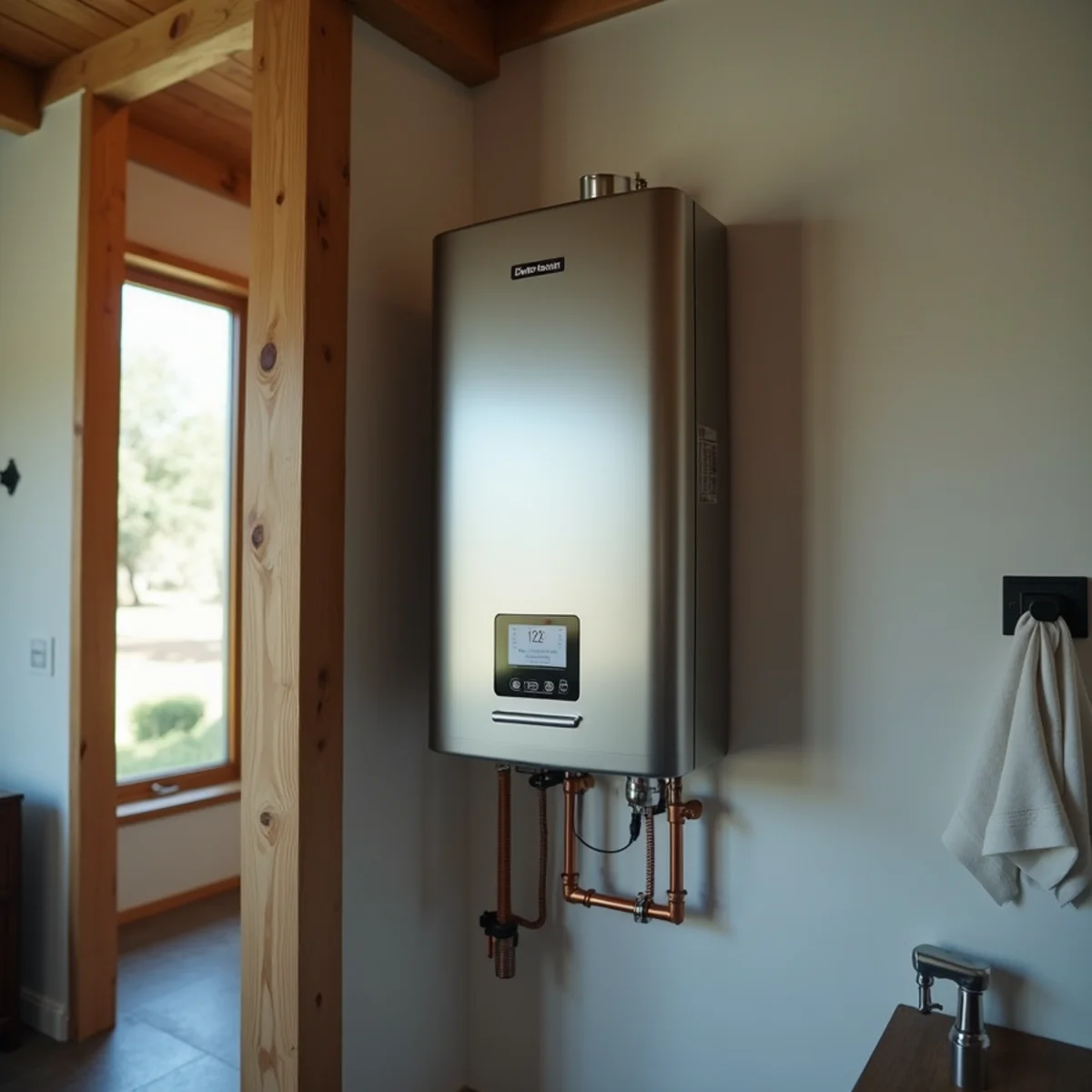
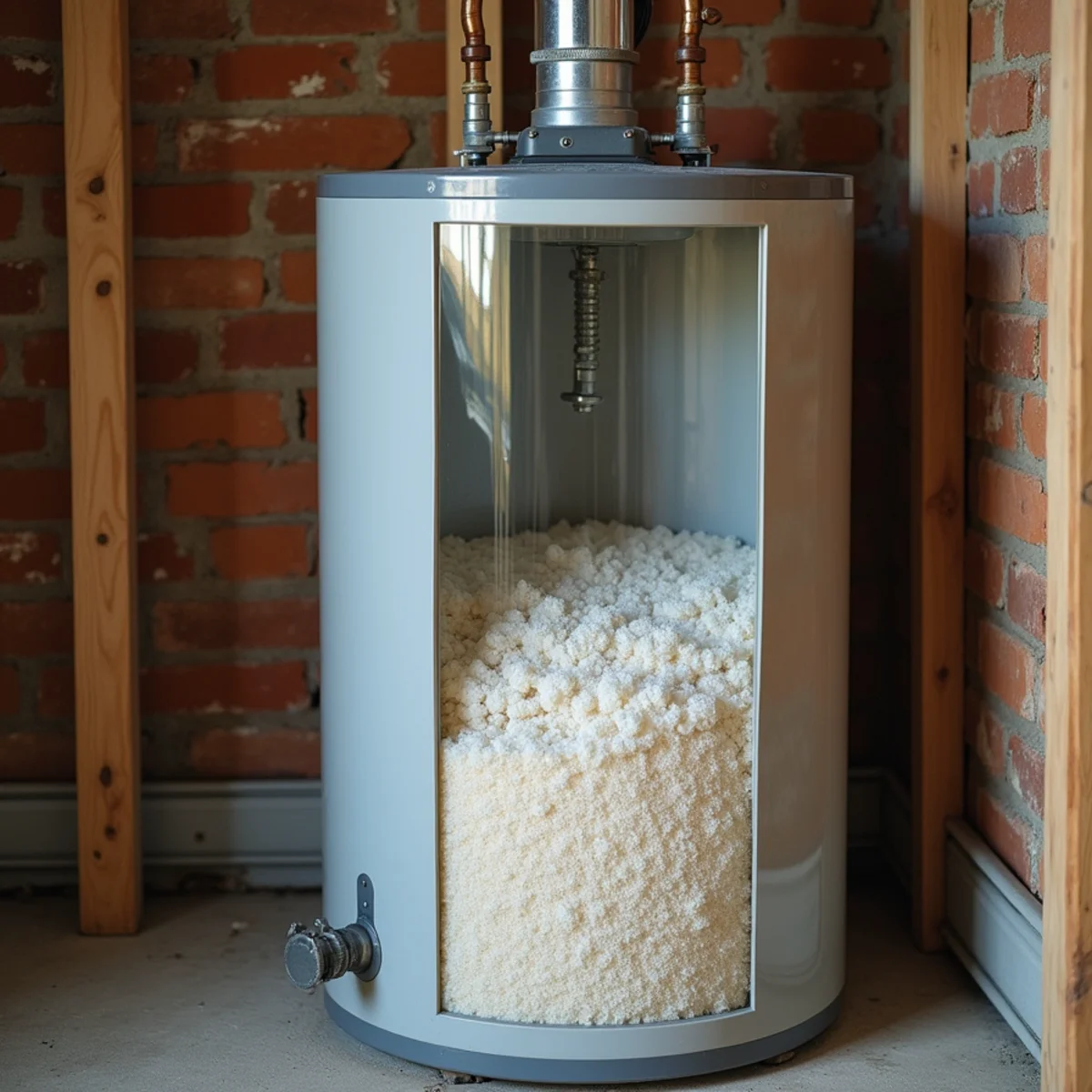
Dissolved calcium and magnesium in local Dallas County tap water precipitate rapidly whenever water temperature exceeds 120°F. In a standard storage tank, this sediment drops by gravity to the broad bottom head where it settles. In a high-efficiency tankless unit, incoming water is forced through micro-passages in a finned copper or stainless steel heat exchanger directly above a 199,000 BTU burner flame.
Without water softening or annual chemical descaling, scale deposits bake onto the heat exchanger tubing within 18 to 24 months. This thermal barrier causes the copper to overheat, triggering error codes (like Rinnai Code 11/12 or Navien E003) and voiding manufacturer heat exchanger warranties.
Need Hands-On Emergency Assistance?
Speak directly with our local Duncanville dispatch desk at (858) 363-8298.
Sizing, Gas Supply Lines, and Venting Considerations
Converting a Duncanville home from a tank to a tankless system involves more than swapping boxes on a wall. Atmospheric tank water heaters vent through metal B-vent flue pipes and operate on 40,000 BTUs fed by standard 1/2-inch black iron gas pipe.
Whole-home tankless systems fire between 160,000 and 199,000 BTUs to heat ground water instantaneously on demand. This requires verifying your Atmos Energy gas meter capacity and upgrading the gas line to 3/4-inch or dedicated 1-inch corrugated stainless steel tubing (CSST). Additionally, modern condensing tankless units require dedicated Category IV dual-pipe PVC/polypropylene side-wall venting.
Direct Equipment Comparison: Tankless vs Conventional Storage Water Heaters
| Comparison Factor | Conventional Storage Tank (50 Gal) | On-Demand Tankless System | North Texas Engineering Takeaway |
|---|---|---|---|
| Turnkey Installed Cost | $1,650 – $2,800 | $3,400 – $5,800+ | Tank costs 50% less upfront; tankless offers longer asset life |
| Average Equipment Lifespan | 8 – 12 Years | 18 – 22+ Years | Tankless lasts twice as long if descaled annually |
| Hot Water Capacity | 50 Gallons (runs out in ~20 min) | Unlimited continuous GPM | Tankless eliminates morning shower rationing |
| Annual Energy Savings | Baseline standby energy loss | 25% to 35% lower gas usage | Saves $120–$200/year on Atmos Energy bills |
| Hard Water Sensitivity | Moderate (sediment bed accumulates) | High (micro-tube scale restriction) | Tankless mandates annual vinegar/acid pump flush |
| Space & Installation Footprint | Takes up ~9 sq ft floor space | Zero floor space (wall-mounted) | Frees up valuable garage or storage closet area |
The Gas Supply Sizing Trap When Converting to Tankless in Older Subdivisions
The single biggest mistake we see from uncertified contractors in Duncanville and Midlothian is installing a 199,000 BTU tankless water heater onto an existing 1/2-inch gas branch line that previously fed a 38,000 BTU tank heater. During mild autumn testing, the unit may run adequately. But when the first sub-freezing Arctic blast hits and your home furnace, gas fireplace, and kitchen range fire simultaneously, the undersized gas pipe experiences severe pressure drop. The tankless unit starves for fuel, throwing flame-failure error codes and locking out hot water when you need it most. Our Master Plumbers perform complete hydraulic gas load calculations, ensuring your meter and distribution lines deliver 7 inches of water column pressure under maximum simultaneous demand.
Frequently Asked Questions
Practical answers from our local plumbing repair team.
Traditional tank heaters use 38,000 to 40,000 BTUs, while whole-home tankless units require 150,000 to 199,000 BTUs. A licensed plumber must perform a gas supply calculation to verify if your existing 1/2-inch pipe has sufficient capacity or if a dedicated 3/4-inch line must be run from your Atmos Energy gas meter.
Related Services & Local Coverage
Explore our dedicated service options and neighboring dispatch areas:
Don't Let Plumbing Problems Escalate
Every plumber we send is licensed and insured in Texas. Upfront written price given before work starts.
Not Urgent? Send a Service Request
If your plumbing project can wait for scheduled daytime evaluation, submit your details below. We will coordinate with an independent licensed Texas plumber in Duncanville to confirm your appointment.
Do not wait for a form response if water is spreading or sewage is surfacing. For the fastest help, call immediately:
(858) 363-8298 (Answering 24/7)