
Key Takeaways for Homeowners
- •If the front yard cleanout is overflowing, the blockage is between the cleanout and the street.
- •If the cleanout is dry while indoor tubs back up, the clog is inside your house plumbing.
- •Property owners own the private lateral line all the way to the city main tap in Duncanville.
- •Never continue running water or flushing toilets during an active sewage backup.
Direct Answer: How to Know Who Is Responsible for a Sewer Backup
To determine whether a nighttime sewer backup is in your private line or the City of Duncanville municipal main, inspect your exterior sewer cleanout in your front yard. If you remove the cleanout cap and wastewater is standing high or overflowing onto the grass, the blockage is located downstream toward the street—either in your private lateral line or the city main. If neighboring houses also have sewage backing up, the city main is blocked and the city utility department must be called immediately. If your neighbors' drains flow freely and only your home is affected, the blockage is in your private line, requiring an independent licensed plumber.
Conversely, if the exterior yard cleanout is completely empty and dry while indoor toilets and bathtubs are backing up, the obstruction is located entirely inside your home's foundation plumbing.
The Cleanout Test: Step-by-Step
1. Immediately stop running all water inside the home: do not flush toilets, run dishwashers, or take showers.
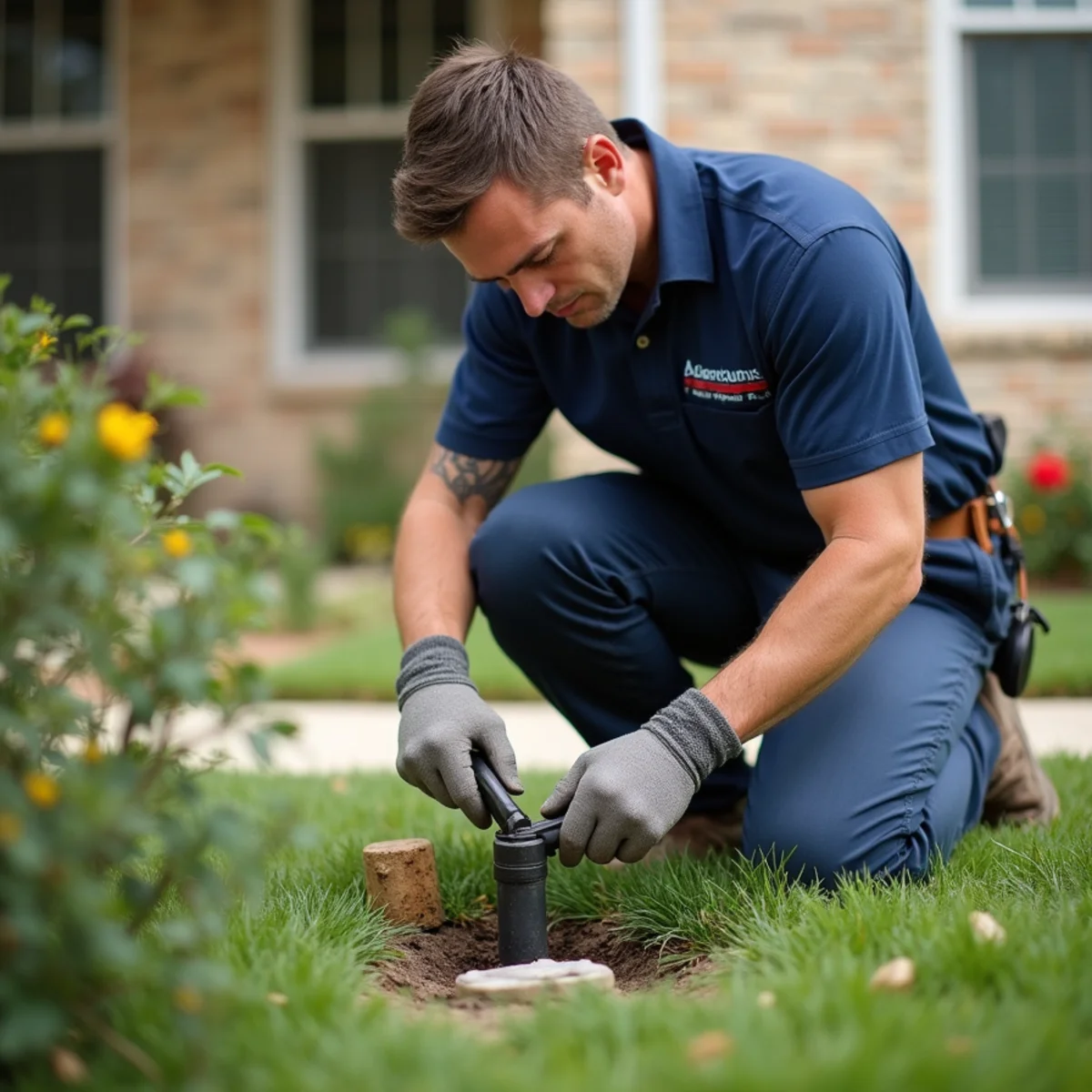
2. Locate your two-way sewer cleanout in the front yard flowerbed near the foundation.
3. Carefully loosen the white PVC or brass cleanout plug using a pipe wrench. Stand back in case trapped wastewater is under hydraulic head pressure.
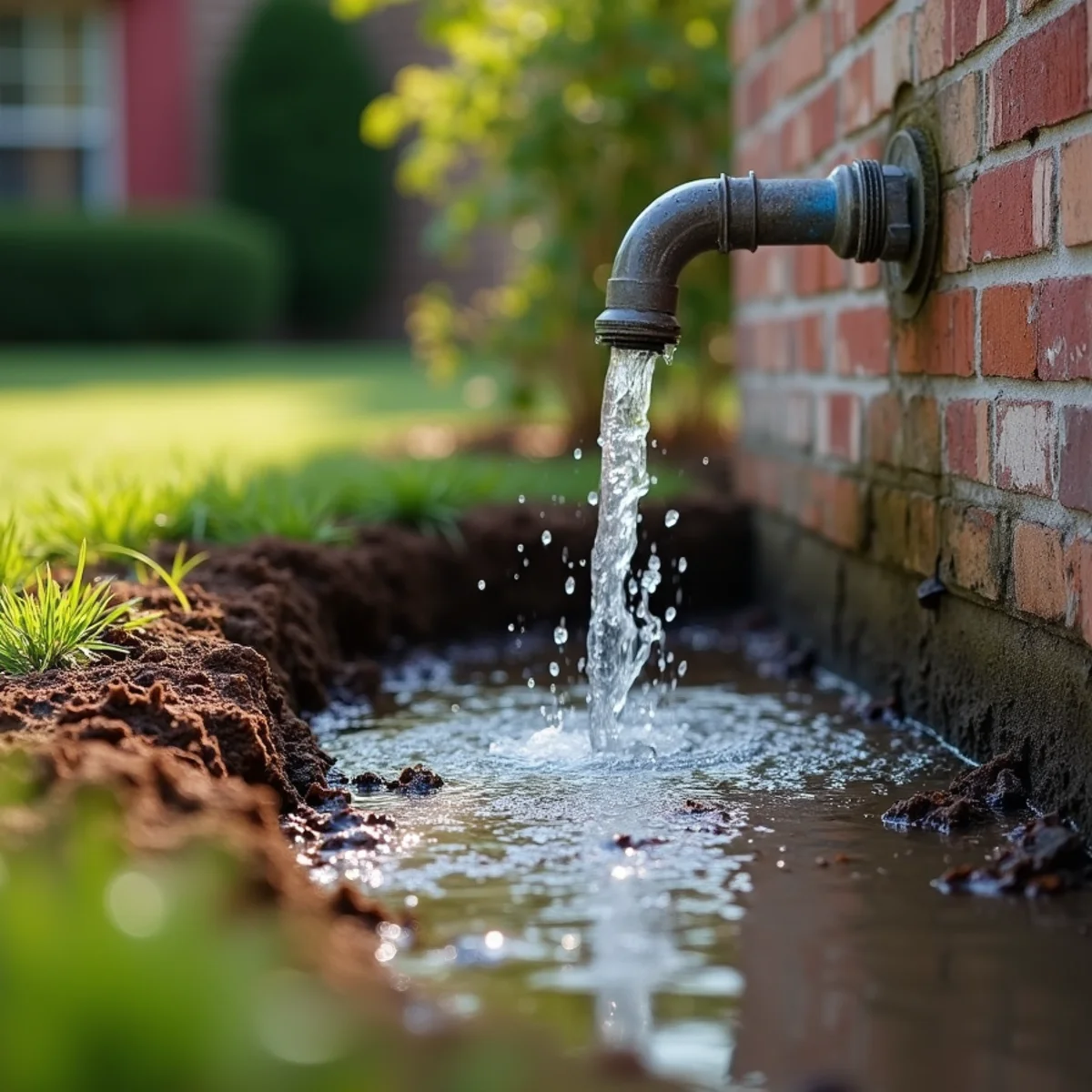
4. If water surges out of the cleanout riser, the clog is downstream in the lateral line. Opening the cleanout cap actually provides an emergency release point, saving your indoor bathtubs from overflowing.
Understanding the Municipal Legal Boundary in Duncanville
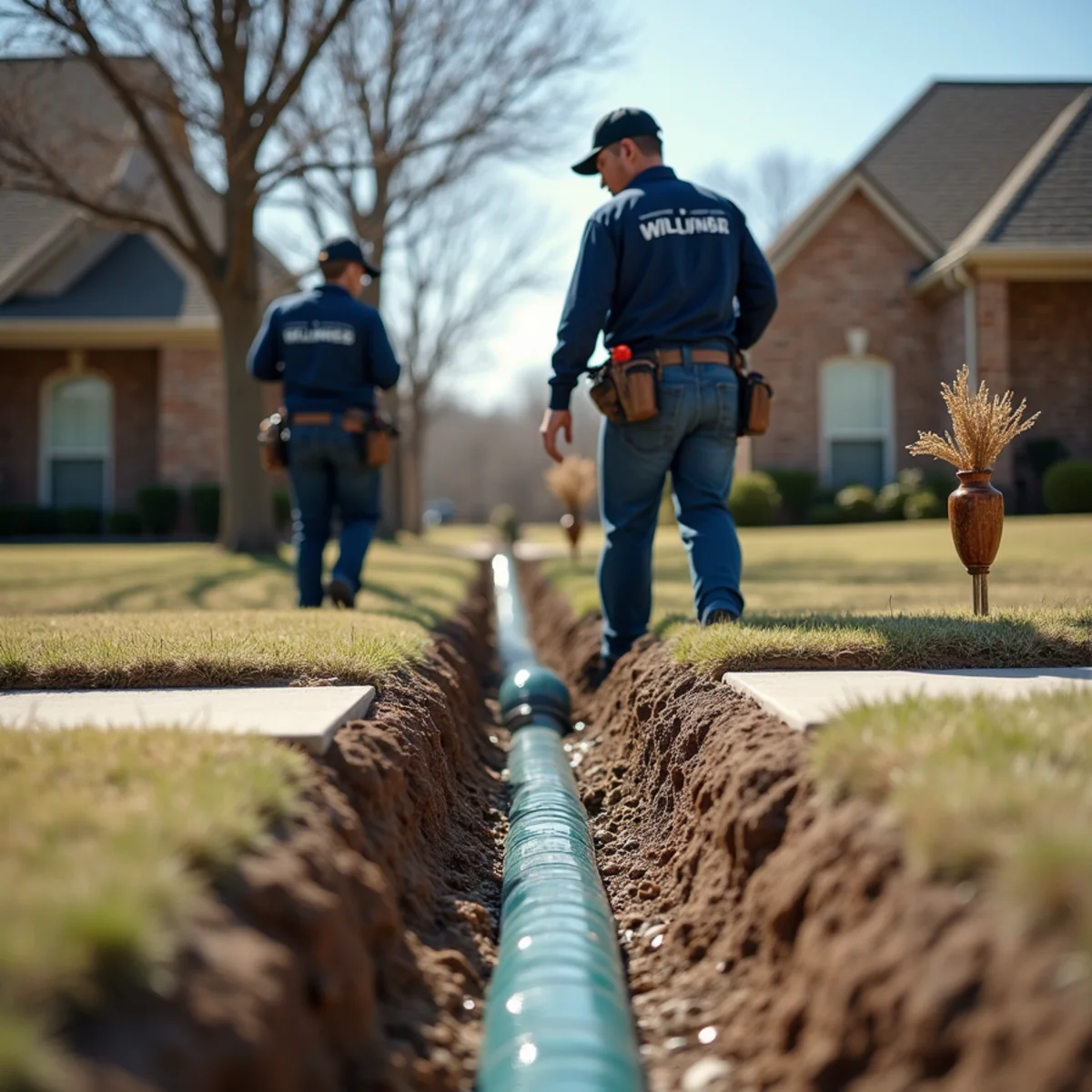
Many Texas homeowners mistakenly assume that their plumbing responsibility ends at their property line or fence. Under municipal plumbing codes in Duncanville, Lancaster, and DeSoto, the homeowner owns and is legally responsible for maintaining the entire private sewer lateral line from inside the home all the way to its connection tap at the city sewer main—even if that pipe crosses beneath public sidewalks and roadway easements.
The City of Duncanville Utility Department is responsible solely for the public trunk main that carries sewage from multiple properties to the regional Trinity River Authority wastewater system.
Need Hands-On Emergency Assistance?
Speak directly with our local Duncanville dispatch desk at (858) 363-8298.
Common Causes of Main Lateral Blockages
Main sewer lines rarely fail without an underlying physical defect. Common causes include: mature live oak and pecan tree root balls penetrating pipe joints; grease buildup solidified into hard soap-like fatbergs; collapsed or channeled 1970s cast iron piping under the slab; and pipe bellies caused by Blackland clay soil settlement.
Our technicians deploy HD sewer camera inspection equipment to pinpoint the exact failure mechanism and location.
Sewer Backup Triage: Responsibility, Diagnosis & Emergency Action
| Diagnostic Scenario | Yard Cleanout Condition | Neighborhood Symptoms | Legally Responsible Party | Immediate Action Required |
|---|---|---|---|---|
| Indoor fixtures backing up; cleanout empty | Completely dry inside pipe | Neighbors draining normally | Homeowner (Indoor line) | Call licensed plumber to snake internal branch drain |
| Yard cleanout standing full or spilling onto grass | Raw sewage surging out of riser | Neighbors draining normally | Homeowner (Private lateral) | Call emergency plumber for main lateral hydro jetting/cabling |
| Yard cleanout overflowing & neighbors backing up | High-volume sewage overflowing | Adjacent homes reporting backups | City of Duncanville / Dallas County | Call City Public Works emergency dispatch immediately |
| Sewage surging during heavy rainstorm only | Water rising with street runoff | Street gutters flooded or storm surges | City storm/sanitary cross-connection | Install full-port sewer backwater check valve |
The Double-Cleanout Diagnostic Secret & Sewage Backwater Protection
Modern Dallas County building code requires a dual-directional cleanout riser positioned within five feet of the foundation. The upstream pipe sweeps back under the house, while the downstream pipe points toward the municipal main. When our emergency trucks arrive on a backup call, we immediately unthread both caps. If the street-facing sweep is holding three feet of murky water, we know before opening our tool chests that the private lateral has collapsed, root-bound, or struck a city main obstruction. For homes situated downhill from the municipal trunk line, we strongly advise installing an exterior normally-open flapper backwater valve. When the city main over-pressurizes during flash storms, the flapper seals shut under hydraulic back-pressure, ensuring street effluent cannot physically enter your home.
Frequently Asked Questions
Practical answers from our local plumbing repair team.
Yes. Municipal wastewater is classified as Category 3 'blackwater' and contains harmful pathogens, bacteria (E. coli, Salmonella), viruses, and toxic sewer gases (hydrogen sulfide). Keep family members, children, and pets completely out of affected bathrooms, avoid skin contact, and turn off your HVAC fan to prevent aerosolized pathogen circulation.
Related Services & Local Coverage
Explore our dedicated service options and neighboring dispatch areas:
Don't Let Plumbing Problems Escalate
Every plumber we send is licensed and insured in Texas. Upfront written price given before work starts.
Not Urgent? Send a Service Request
If your plumbing project can wait for scheduled daytime evaluation, submit your details below. We will coordinate with an independent licensed Texas plumber in Duncanville to confirm your appointment.
Do not wait for a form response if water is spreading or sewage is surfacing. For the fastest help, call immediately:
(858) 363-8298 (Answering 24/7)